On-Site Lock Rekeying: What Happens and Why It Matters
What an On-Site Lock Rekey Actually Does
When you move into a new home, lose a key, or simply want better control over who can enter your property, you have a few options. One of the most practical is a lock rekeying service. Unlike replacing the entire lock, rekeying changes the internal mechanism so that existing locks work with a new key. The locks stay on your door, the hardware remains the same, but the old key no longer works.
Rekeying is a common request for homeowners and property managers alike. It offers a middle ground between a full lock replacement and doing nothing. The process itself is straightforward for a skilled locksmith, but understanding what happens during an on-site lock rekey can help you decide if it is the right move for your situation.
The Core of the Process: The Lock Cylinder
Every standard pin-tumbler lock contains a cylinder. Inside that cylinder are a series of spring-loaded pins of different lengths. When you insert the correct key, the pins align at a shear line, allowing the cylinder to turn and the lock to open. A wrong key leaves the pins misaligned, and the cylinder stays locked.
During a rekey, a locksmith removes the cylinder from the lock. They then take out the existing key pins and replace them with a new set that matches a different key. The springs and the overall lock mechanism remain unchanged. Once the new pins are in place, the cylinder goes back into the lock, and the lock now operates only with the new key. This is the essence of a lock rekeying service: changing the internal code of the lock without touching the exterior hardware.
What the Locksmith Brings and Does On Site
When you schedule an on-site rekey, the locksmith arrives with a kit that contains a variety of pin sizes, a follower tool, tweezers, and a set of new keys. They do not need to remove the entire lock from the door. For most knob locks and deadbolts, they can work with the lock still mounted. The process usually takes between ten and thirty minutes per lock, depending on the lock type and condition.
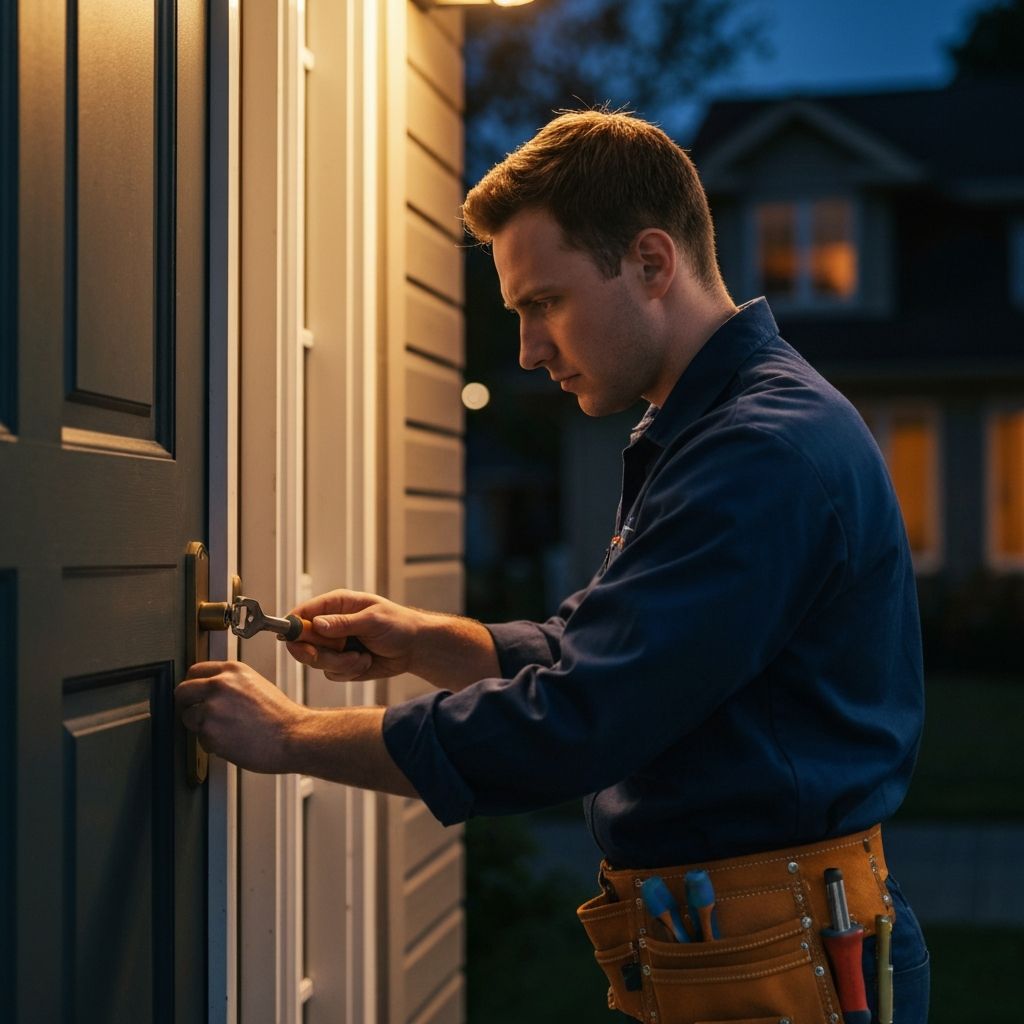
The locksmith starts by removing the lock knob or deadbolt faceplate to access the cylinder. They use a small tool called a plug follower to slide out the cylinder plug without letting the springs and pins fly out. Then they remove the old key pins and the driver pins, clean the plug, and insert a new set of key pins that correspond to the new key. They reassemble everything, test the lock several times, and hand you the new keys.

One important detail: the locksmith will also check the lock's overall condition. Worn or damaged parts inside the cylinder can affect how well the rekey holds up. If the lock has internal damage, they may recommend replacing the lock entirely rather than rekeying it.
When Rekeying Makes the Most Sense
Rekeying is an excellent choice in several common scenarios. After buying a new home, you have no way of knowing how many copies of the old keys exist. Former owners, contractors, real estate agents, or neighbors might still have a key. A rekey gives you a fresh start with a single key that you control.
If you lose your keys or have them stolen, rekeying is faster and less expensive than replacing all your locks. It also works well when you want to create a master key system for a small office or rental property. In that case, the locksmith sets up the pins so that one master key opens every lock, while individual keys open only specific locks.
Another practical situation: you have multiple locks from different brands or eras, and you want them all to work with the same key. A locksmith can rekey each lock to match a single key, regardless of the lock brand, as long as the cylinders are compatible.
What Rekeying Does Not Do
It is helpful to understand the limits of a lock rekeying service. Rekeying changes the internal pin combination, but it does nothing to improve the physical strength of the lock. If your lock is old, corroded, or made of low-grade materials, rekeying will not make it more resistant to brute force attacks like drilling or prying. Security grade is a function of the lock body and construction, not the pins.
Rekeying also does not address electronic or smart locks in the same way. Some smart locks have a mechanical override cylinder that can be rekeyed, but the electronic access code remains separate. If you want to update digital codes, that is a different process entirely.
The Difference Between Rekeying and Lock Replacement
People sometimes confuse rekeying with replacing the lock. A full replacement means taking the entire lock off the door and installing a new one. That costs more in hardware and labor. Rekeying keeps your existing hardware, which can be an advantage if you have high-quality locks that match your door finish. It also avoids drilling new holes or adjusting the door for a different lock size.
On the other hand, if your locks are outdated or damaged, replacement is the better route. A good locksmith will give you an honest assessment. For example, QA Locksmith often advises clients on whether rekeying or replacement makes more sense for their specific situation. Their experience with various lock types and brands helps them make that call quickly.
What to Expect During the Appointment
When the locksmith arrives, they will first inspect the locks you want rekeyed. They will ask which key you want to use as the new standard. If you want all locks to match a single key, they need that key to cut the pins accurately. They will also ask about any master keying requirements.
The locksmith works on one lock at a time. You do not need to be present for every step, but it helps to stay nearby in case they have questions about the property. They will test each lock after rekeying to confirm smooth operation. The old keys will no longer work, so make sure you collect all old keys before the locksmith leaves. If you have spare keys for the new system, the locksmith can cut them on site or tell you where to get duplicates.
Cost and Time Considerations
Rekeying is generally much more affordable than replacing locks, especially when you have several locks to do. The cost depends on the number of locks and the complexity of the system. A simple rekey of a single deadbolt takes less time than rekeying a multi-lock master system. Most on-site work is completed within an hour for a typical home with three to five locks.
One thing to keep in mind: if you have high-security locks that use restricted keyways or patented key profiles, rekeying may require specialized pins and keys. Not all locksmiths carry those parts. It is worth asking ahead of time whether the locksmith can handle your particular brand.
Rekeying as Part of a Broader Security Plan
Rekeying is one tool in a larger set of security measures. It pairs well with other upgrades like installing deadbolts on all exterior doors, adding strike plates with longer screws, and checking the condition of door frames. If you are managing a commercial property or a multi-unit building, rekeying can be combined with an access control system to manage who enters and when.
For residential properties, rekeying after a tenancy change is standard practice. Landlords often schedule a rekey between tenants to ensure that only the new tenant has keys. This is faster and cheaper than changing all the locks, and it keeps the doors looking consistent.
When to Call a Professional
Rekeying a lock requires precision and the right tools. Attempting it yourself without experience can damage the cylinder, leave pins misaligned, or create a lock that jams or fails to latch properly. A professional locksmith brings the correct pinning kits, knowledge of different lock brands, and the ability to troubleshoot issues like worn springs or frozen cylinders.
A reliable locksmith also carries insurance and stands behind their work. If a lock does not function correctly after the rekey, they will come back and fix it. That peace of mind is worth the service fee. QA Locksmith, for instance, handles on-site rekeying for homes and businesses across Toronto and the GTA, and their technicians are trained to work with a wide range of lock types.
Final Practical Points
Before you schedule a rekey, count all the locks you want done and gather any existing keys. Decide whether you want a single key for all locks or a master key system. If you have a preference for the key shape or style, mention it when you call. The locksmith can often accommodate it.
After the rekey, label your new keys and keep a spare in a secure place. Test each lock a few times with the new key to make sure the pins settle in. If a lock feels sticky or hard to turn, let the locksmith know right away. A slight adjustment is usually all it takes.
Rekeying is a simple, effective way to regain control over who can enter your home or office. It is a service that balances cost, convenience, and security. Understanding what happens during the process helps you ask the right questions and feel confident in the outcome.